Navigating the Best Car Insurance Options for Young Drivers: A Professional Analysis

Introduction to the Landscape of Youth Auto Insurance
Securing affordable and comprehensive car insurance for young drivers—typically categorized as individuals between the ages of 16 and 25—represents one of the most complex financial challenges for modern households. Statistically, younger motorists are viewed by actuarial experts as high-risk clients due to their limited experience on the road and a higher propensity for involvement in traffic incidents. Consequently, premium rates for this demographic often reach levels significantly higher than those for more seasoned drivers. However, by understanding the intricacies of the insurance market, families and young professionals can identify providers and policies that offer a balance of robust protection and competitive pricing.




Understanding Why Young Drivers Pay More
To find the best car insurance, one must first understand the variables that influence pricing. Insurance companies utilize sophisticated risk assessment models that heavily weigh age and driving history. Data from the Insurance Institute for Highway Safety (IIHS) consistently indicates that drivers in their late teens and early twenties have higher crash rates per mile driven.
Beyond age, several other factors influence the cost of a policy for a young driver:
1. Vehicle Choice: High-performance sports cars or older vehicles lacking modern safety features generally result in higher premiums.
2. Geographic Location: Drivers in densely populated urban areas often face higher rates compared to those in rural settings due to increased risks of theft and collisions.
3. Credit History: In many jurisdictions, a driver’s credit score is used as a proxy for financial responsibility, which can impact insurance rates.
Top-Rated Providers for Young Motorists
Several major insurance carriers have developed specific programs tailored to the needs and financial constraints of younger drivers. While the “best” provider often depends on individual circumstances, the following companies consistently rank highly in professional evaluations.
State Farm: The Leader in Discounts
State Farm is frequently cited as the top choice for young drivers, primarily due to its extensive discount programs. Their ‘Steer Clear’ program allows drivers under 25 to earn significant discounts by completing a series of educational modules and maintaining a clean driving record. Furthermore, their ‘Good Student Discount’ offers substantial savings for those who maintain high academic performance.
GEICO: Competitive Base Rates
GEICO is renowned for offering some of the lowest base premiums in the industry. For young drivers who may not qualify for niche discounts but possess a clean driving history, GEICO’s streamlined digital platform and efficient claims process make it a formidable option.
Progressive: Innovation Through Telematics
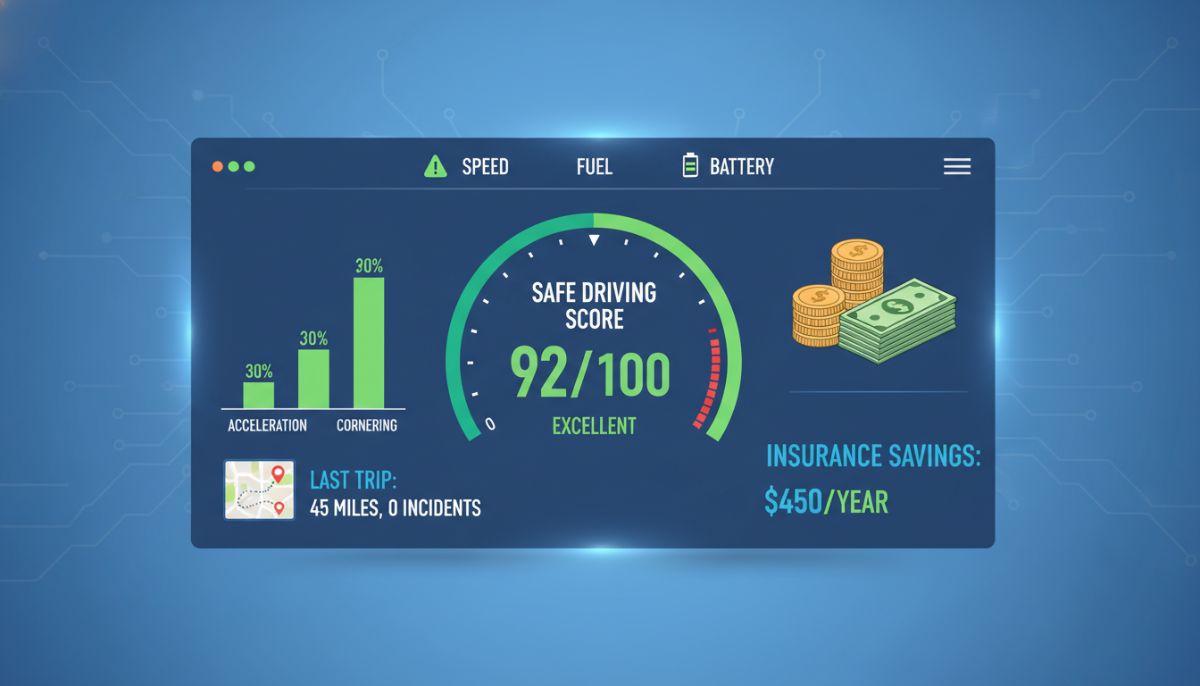
Progressive’s ‘Snapshot’ program is a telematics-based initiative that tracks driving behavior in real-time. Young drivers who exhibit safe habits—such as avoiding hard braking and late-night driving—can see their premiums reduced significantly, regardless of their age-related risk profile.
Strategic Ways to Reduce Premiums
While high premiums may seem inevitable for the youth demographic, several strategic maneuvers can mitigate these costs effectively.
Remaining on a Parental Policy
One of the most effective ways to lower costs is for a young driver to be added as an additional driver on their parents’ existing multi-vehicle policy. This allows the younger driver to benefit from the parents’ established insurance history and bundled discounts, which are rarely available on individual policies.
Utilizing Telematics and Usage-Based Insurance
As mentioned with Progressive, many insurers now offer usage-based insurance (UBI). By installing a small device or using a mobile application, the insurer can verify that the young driver is operating the vehicle safely. For responsible young adults, this is often the fastest way to prove they are lower risk than their peers.
Investing in Professional Driver Education
Completing a certified driver’s education course or a defensive driving program is not merely a safety precaution; it is a financial investment. Most major insurers offer a dedicated discount for drivers who have proactively sought professional instruction to sharpen their skills.
Maintaining Academic Excellence
Insurers have identified a correlation between academic responsibility and road safety. Most providers offer a ‘Good Student Discount’ to full-time students who maintain a ‘B’ average or higher. This discount can sometimes reduce premiums by as much as 15% to 25%.

The Role of Deductibles and Coverage Limits
In a professional financial plan, the choice of deductibles and coverage limits is vital. Increasing a deductible—the amount paid out-of-pocket before insurance kicks in—will lower the monthly premium. However, for a young driver with limited liquid savings, this must be balanced carefully to ensure that a potential accident does not result in a financial crisis.
Similarly, while it may be tempting to opt for the state-minimum liability coverage to save money, it is rarely recommended. Young drivers are statistically more likely to be involved in accidents; having higher liability limits (such as 100/300/100) protects the driver’s (or their parents’) long-term financial health from litigation and significant repair costs.
Conclusion: Choosing the Right Path
Identifying the best car insurance for young drivers requires a multifaceted approach that considers individual behavior, academic performance, and the strategic selection of insurance providers. By prioritizing safety, leveraging available technology through telematics, and maximizing educational discounts, the financial burden of youth auto insurance can be managed effectively. Ultimately, the most valuable asset a young driver can possess is a clean driving record, which serves as the foundation for lower premiums and financial stability in the years to come.