Navigating Auto Insurance: A Comprehensive Guide to Full Coverage vs. Liability Insurance

Introduction to Vehicle Risk Management
Auto insurance is not merely a legal requirement; it is a critical component of a robust financial strategy. For many vehicle owners, the decision-making process often distills down to a choice between two primary options: liability insurance and what is colloquially known as full coverage. Understanding the nuances, legal implications, and financial consequences of each is essential for safeguarding one’s assets. This article provides a deep dive into the structural differences, benefits, and strategic applications of liability versus full coverage insurance.
Deciphering Liability Insurance: The Legal Minimum

Liability insurance is the baseline of automotive protection. In most jurisdictions, it is the minimum level of coverage required by law to operate a motor vehicle. Its primary purpose is not to protect the policyholder’s vehicle, but rather to protect others from the financial consequences of the policyholder’s actions.
Liability insurance is generally divided into two main components:
1. Bodily Injury Liability (BI): This covers costs associated with injuries or death that the policyholder causes to another person while driving. This includes medical expenses, loss of income, and legal fees if the driver is sued.
2. Property Damage Liability (PD): This pays for damage caused to another person’s property, such as their vehicle, a fence, or a storefront.
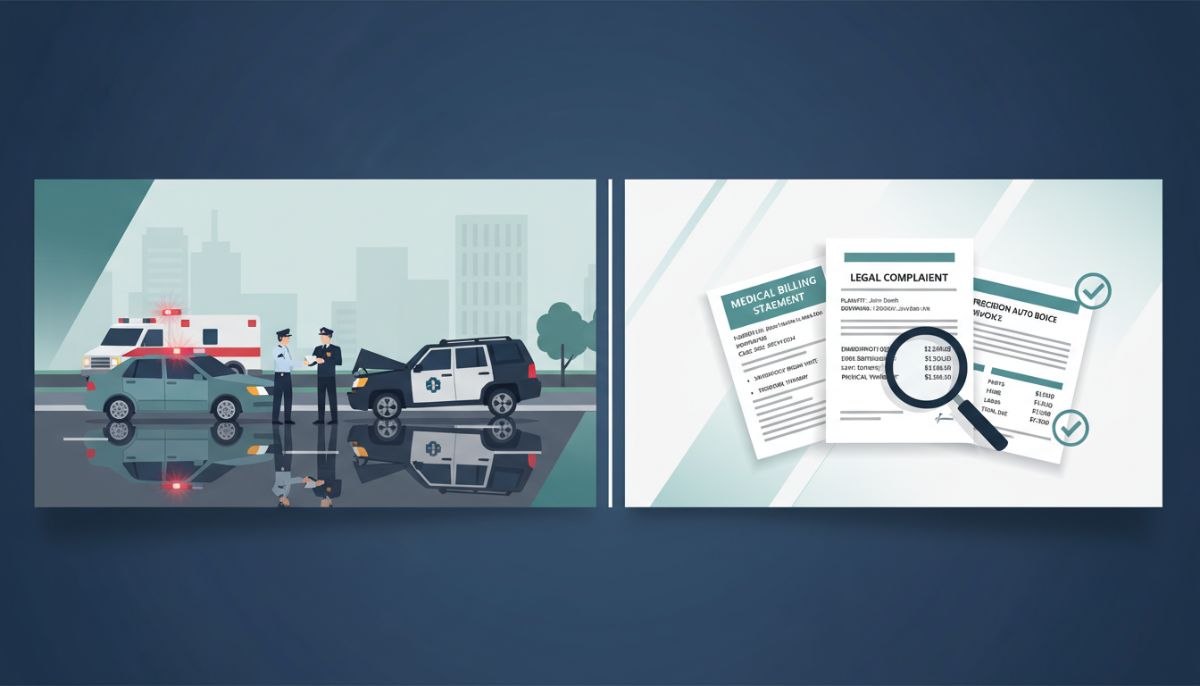
It is important to note that liability insurance never pays for the policyholder’s own medical bills or vehicle repairs. If you are at fault in an accident and only carry liability insurance, the financial burden of repairing or replacing your own vehicle falls entirely on your shoulders. Consequently, while liability insurance keeps you legal on the road and provides a shield against third-party lawsuits, it offers minimal personal asset protection in the event of a total vehicle loss.
The Anatomy of Full Coverage Insurance
While “full coverage” is a standard industry term, it is technically a misnomer because no policy covers every possible scenario. In the context of the insurance market, full coverage typically refers to a bundle of policies that includes liability, collision, and comprehensive coverage.
Collision Coverage
Collision coverage addresses the damage to your own vehicle resulting from an accident, regardless of who is at fault. Whether you hit another car, a tree, or a guardrail, this component ensures that your insurance provider will pay for the repairs (minus your deductible).
Comprehensive Coverage
Comprehensive insurance covers damage to your vehicle caused by events other than collisions. This includes theft, vandalism, fire, natural disasters (such as floods or hailstorms), and impacts with animals. For individuals living in areas prone to extreme weather or high crime rates, comprehensive coverage is often considered indispensable.

Key Differences: A Comparative Analysis
The primary difference between these two paths is the direction of the financial benefit. Liability insurance pays out to third parties, whereas full coverage (via collision and comprehensive) pays out to the policyholder.
Premium Costs and Deductibles
Liability insurance is significantly less expensive because the insurer’s risk is limited to third-party claims. Full coverage carries higher premiums because the insurer is taking on the added risk of repairing or replacing the insured’s own vehicle. Furthermore, full coverage involves a deductible—an out-of-pocket amount the policyholder must pay before the insurance coverage kicks in. Choosing a higher deductible can lower monthly premiums but increases immediate financial exposure during a claim.
Lenders and Leasing Requirements
If a vehicle is financed or leased, the decision between liability and full coverage is often made for the owner. Lenders and leasing companies require full coverage to protect their investment. Until the lien is satisfied and the title is held entirely by the driver, liability-only insurance is typically not an option.
When to Choose Liability Only
Opting for liability-only insurance is a strategic choice often driven by the age and value of the vehicle. A common rule of thumb used by financial advisors is the “10% Rule”: if the annual cost of full coverage (premium plus deductible) exceeds 10% of the vehicle’s current market value, it may be more cost-effective to drop to liability only.
For example, if an older vehicle is worth $3,000 and the cost to add collision and comprehensive coverage is $800 per year with a $500 deductible, a single accident would result in a maximum payout of only $2,500. Over a few years, the premiums paid would exceed the potential benefit, making the owner “self-insured” for physical damage a more logical fiscal path.
[IMAGE_PROMPT: A close-up of a calculator, a car key, and a graph showing a downward trend in vehicle depreciation vs. insurance premiums, professional macro photography.]
When to Invest in Full Coverage
Full coverage is recommended, and often necessary, in the following scenarios:
- New or High-Value Vehicles: If the cost to replace your car would cause a significant financial hardship, the higher premium is a justified expense.
- Financed Vehicles: As mentioned, most banks require it.
- High-Risk Environments: If you live in a city with high theft rates or an area with frequent severe weather, comprehensive coverage is a vital safety net.
- Lack of Emergency Savings: If you do not have the liquid assets to purchase a replacement vehicle tomorrow should yours be totaled, full coverage provides the necessary peace of mind.
Conclusion: Making an Informed Decision
The choice between full coverage and liability insurance is a balance between risk tolerance and financial capacity. Liability insurance provides the legal and ethical minimum, protecting your savings from third-party lawsuits. Full coverage offers a comprehensive safety net that protects the vehicle as a physical asset.
Before selecting a policy, vehicle owners should conduct a thorough assessment of their vehicle’s actual cash value, their daily driving environment, and their personal financial stability. By understanding these variables, drivers can choose a policy that offers the optimal blend of protection and affordability, ensuring that a roadside accident does not evolve into a long-term financial disaster.